More bums on seats – but how?  

October 2, 2025

By Anthony Smith, Chair

Secretary of State for Transport, Heidi Alexander was reported by the Financial Times as describing the renationalisation of trains as part of a rail “revolution” designed to cut public subsidies, improve services, and “put more bums on seats.” It’s a bold ambition but for passengers, the test will be much simpler: does rail reform make their journeys easier, offer value for money tickets and more reliable? 

Few experiences frustrate passengers more than a delayed train, a confusing ticket purchase, or feeling they’ve overpaid because of an opaque fare system. For many travellers, it’s not just the railways that needs fixing but a closer look at what can be done to improve the ticketing buying process.  

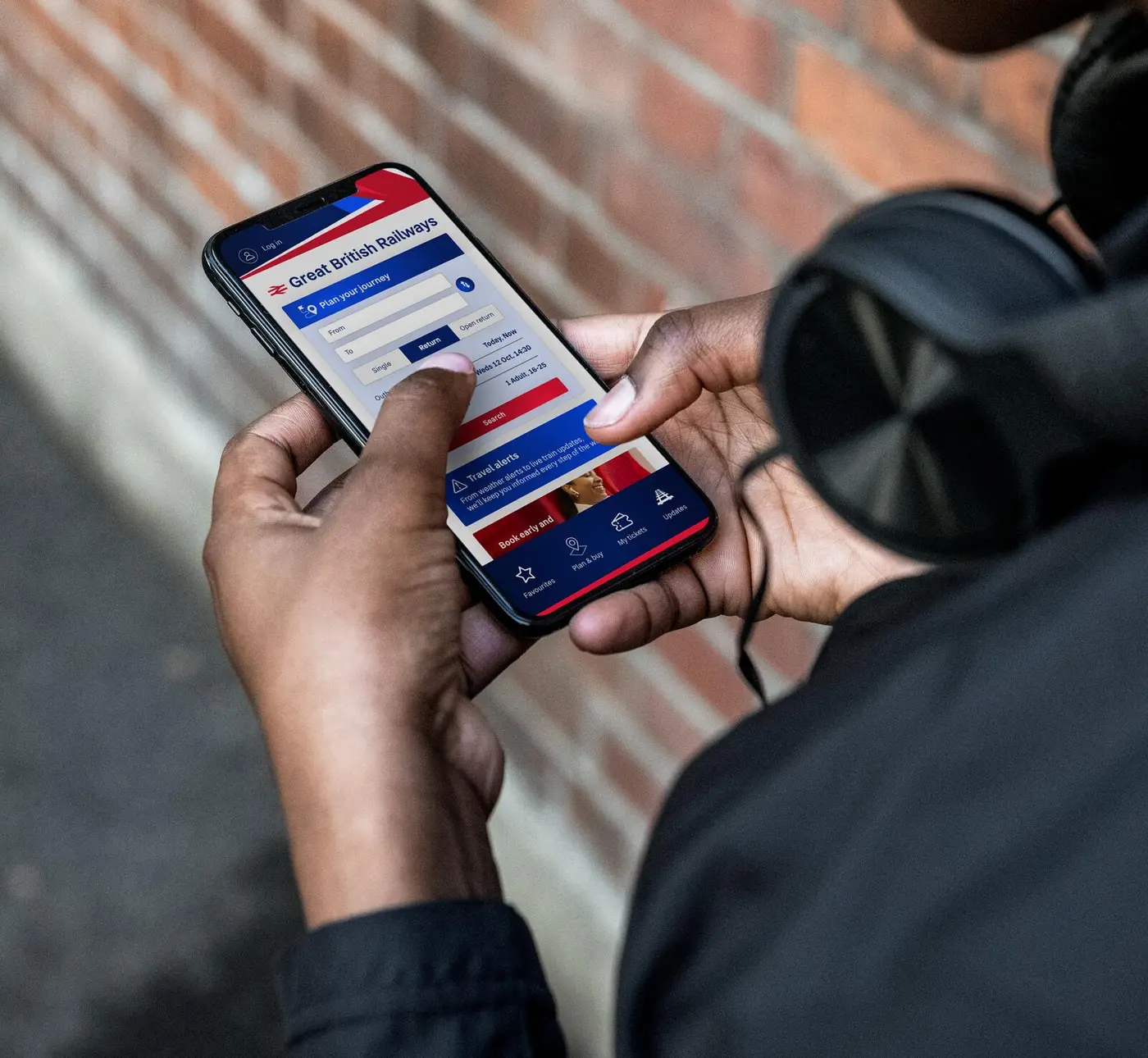
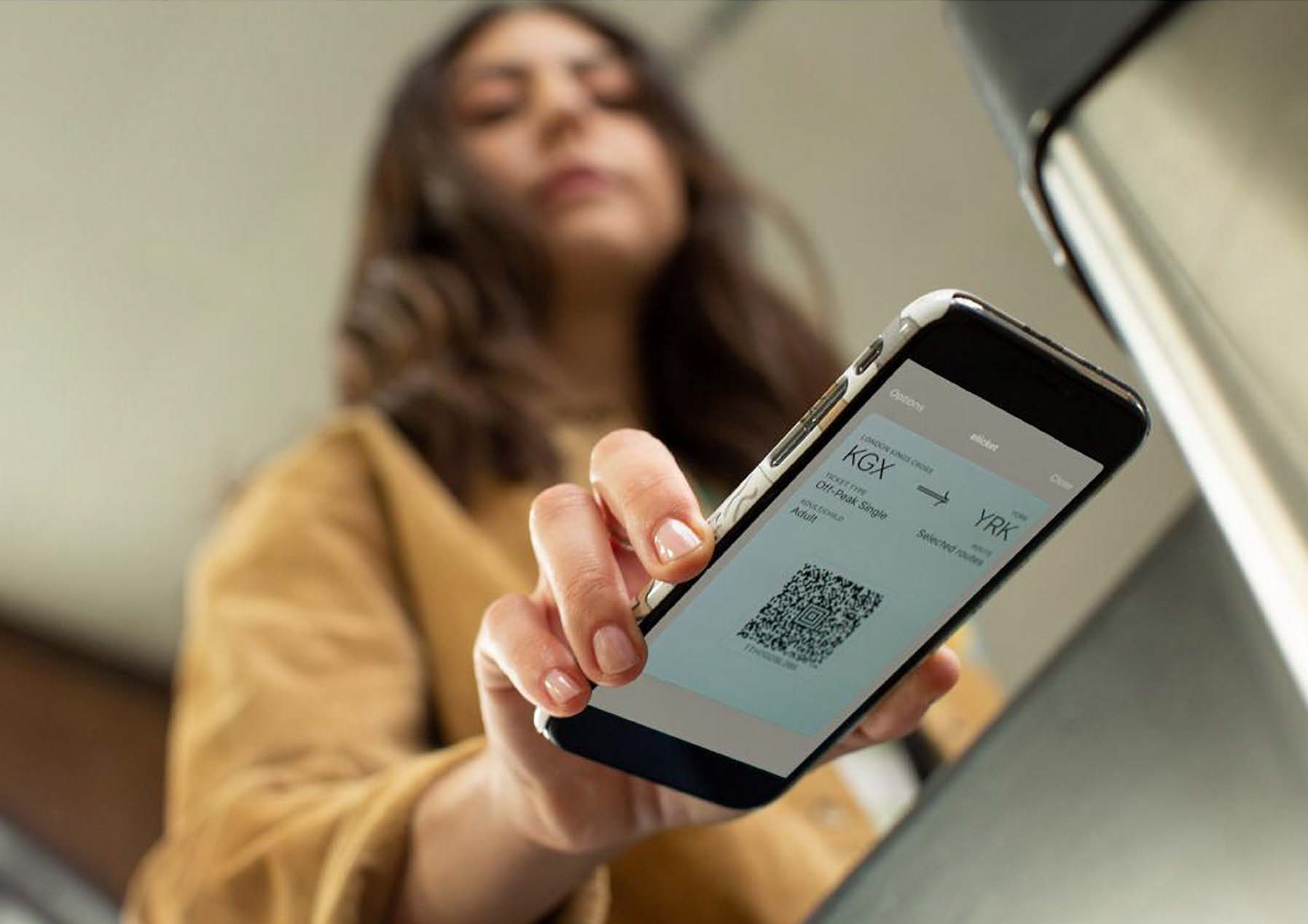
Independent rail retailers have stepped in to make sense of this complexity. From user-friendly apps to value for money tickets; they’re the retailers of train tickets and they do it well. With thousands of passengers purchasing tickets from them, they know what they’re doing and continue to invest and innovate in the systems they’ve created, helping the Government sell more tickets and “put more bums on seats”.  

Yet, their ability to innovate is limited by rules, data restrictions, and structures that haven’t kept pace with modern expectations. Ticketing rules are complex, data access is uneven, and others often hold the cards. When something goes wrong; a cancellation, a delay, or a confusing fare, passengers often direct frustration toward the retailer, even when the root cause lies with the rail system itself. This dynamic undermines trust and discourages innovation. 

Rail reform, therefore, isn’t just about fixing tracks and timetables, it’s about unlocking a retail ecosystem where independent retailers can deliver choice, transparency, and innovation for the benefit of passengers – which is why it’s more important than ever to get it right. Retailers are committed to delivering more great customer experiences, but they need Government support to remove barriers to enable a more successful and thriving rail retailing market. 

For passengers the measure of success is much simpler: can I get a value for money ticket? Can I buy and use a ticket easily and reliably? Can I get from A to B without confusion or being told I’ve got the wrong ticket? And when things go wrong, can I get compensated without jumping through hoops and hurdles?  

Independent rail retailers are key to answering “yes.” With fair access, open data, and supportive policies, they can deliver innovation that transforms the customer experience and restores trust in the railway. If reform is to encourage more people to choose trains – then unlocking the barriers to innovation and ensuring fair access to data will be key to achieving it. This means creating an environment where independent retailers, Government, Great British Railways, and operators work even more closely together to deliver the seamless, customer-first railway passengers expect and deserve. 

With the reform bill set to be introduced this autumn, it’s crucial that passenger choice, value for money, innovation remain a top priority, as that will be the key to “more bums on seats”.

Latest news

Keep up to date with all our latest

IRR Sponsors RIA’s Future of Rail Series: Whole System Planning

October 1, 2025

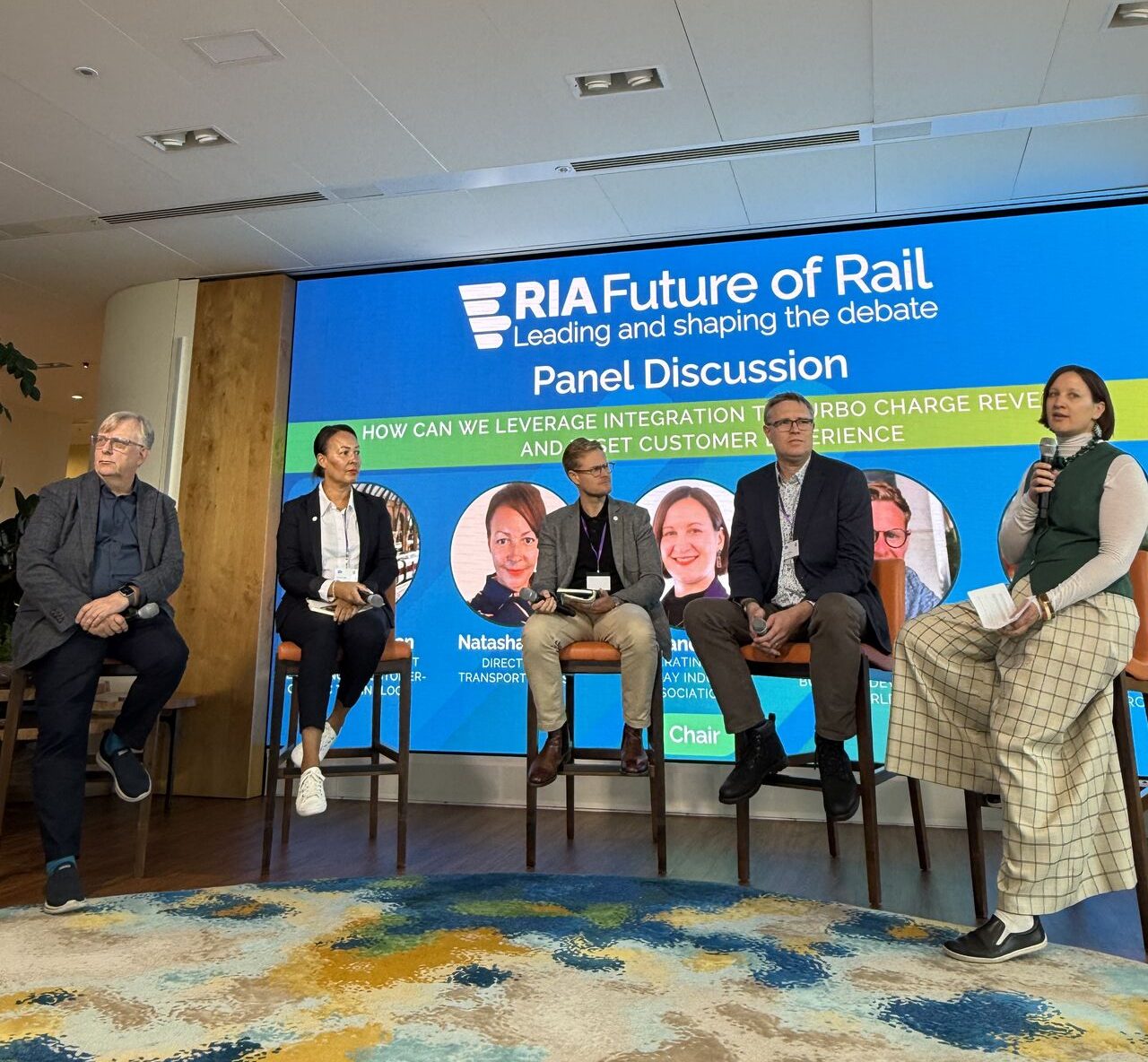
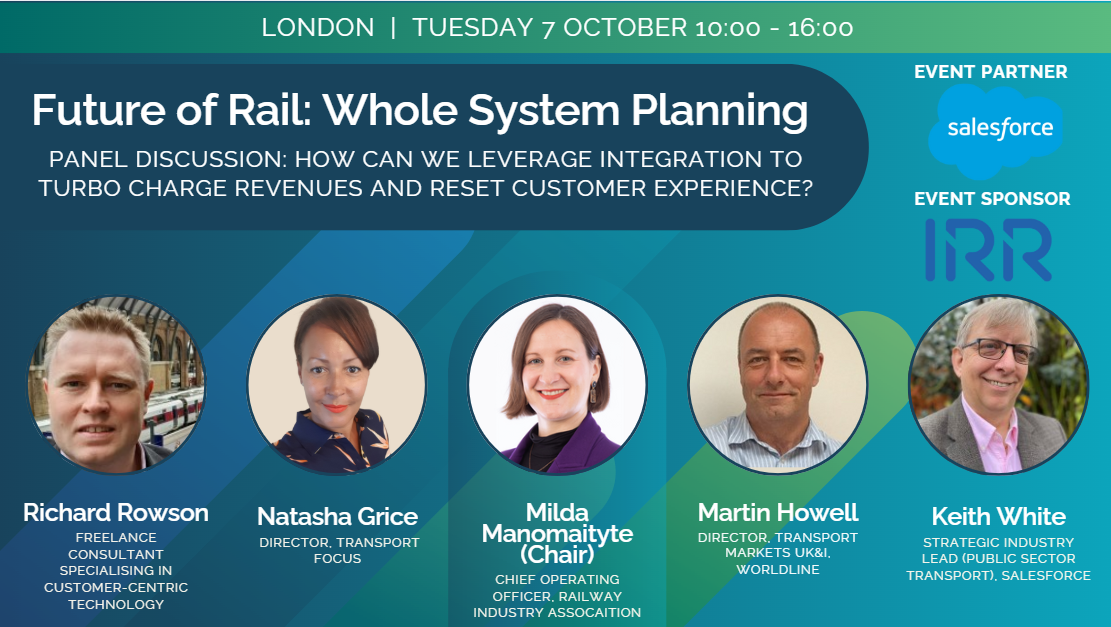
We’re proud to sponsor Railway Industry Association’s Future of Rail series on Whole System Planning. From integrating cost and revenue management to rethinking funding frameworks, this event will explore how the rail industry can make smarter decisions and enhance the passenger experience as it prepares for the creation of Great British Railways.

Register your place and join us on Tuesday 7 October.

Latest news

Keep up to date with all our latest

Making a success of Great British Railways

September 25, 2025

“As MPs examine the forthcoming bill over the autumn, I urge them to consider: will the passenger experience improve from day one? Will those millions who choose independent channels still get the full range of tools and options they rely on? Will innovation be encouraged, or slowed?”

Read more from our Chair, Anthony Smith, in the latest New Statesman magazine, where he discusses, putting passengers first, getting the detail right and working together to make rail reform a success.

Latest news

Keep up to date with all our latest

In the Spotlight: Darren Williams, Managing Director at Evolvi, on Business Travel Trends

August 21, 2025

This month, we caught up with Darren Williams, Managing Director at Evolvi, to chat about emerging trends and the changing face of business travel. With decades of experience including 21 years at Eurostar, Darren brings a unique perspective on both the opportunities and challenges facing Britain’s railways. Our conversation covered everything from how business travel is evolving to why flexibility is more important than ever. 


Can you tell us a bit about yourself and a fun fact?  

My name is Darren Williams, and I’m the Managing Director at Evolvi. Before joining the company, I spent 21 years at Eurostar, where I witnessed the opening of Ashford International, the high-speed line, St Pancras International, Ebbsfleet, and even the London Olympics. After those two decades, I took a year’s sabbatical before moving to RATP Dev, the international arm of the Paris Metro operator, then onto Omio where I was reunited with international rail. 

Fun fact: Evolvi is actually the first wholly UK-based or owned company I’ve ever worked for. That background means I can compare best practices from other railways and sometimes have a slightly different perspective. 

Who is Evolvi and what do they do? Can you tell us about Evolvi and what makes it unique? 

Evolvi is all about making UK rail booking simple, smart, and tailored to what businesses actually need. We take the complexity out of fares and give travel companies – from corporate travel firms to leisure operators and agencies – the tools to offer their customers more choice and flexibility. In short, we help our partners book rail travel quickly, easily, and in a way that fits their goals.

What makes Evolvi different from other travel booking websites?

Our platforms work in real time, with handy features like mobile and eTicketing, and can be customised through self-booking tools or APIs. Over 95% of our work is in the business travel market. Unlike consumer sites, we’re highly niche and focused on customisation for corporate travel policies.  

How do you persuade companies/staff to choose rail over other travel modes? 

For London routes, it’s about showing time savings, carbon benefits, and cost comparisons to air travel – all clearly displayed in our tools. The next challenge is making regional rail travel more attractive. It’s easy to justify rail between London and Manchester, but less so between smaller regional cities 

Evolvi has been a key player in the business travel sector for years. How is technology changing the way companies book and manage rail travel? 

Reliability, speed, and data are vital – people won’t wait for a site to load. Self-service is also key; most people prefer to book without calling anyone. AI hasn’t yet made a big impact in our sector just yet, but it’s likely the next frontier. But innovation is key – making systems more intuitive more flexible and making the user experience better.  

Are you seeing any new trends in business travel since the pandemic? For example, changes in peak travel times, journey patterns, or class of travel? 

Business travel has grown steadily each year since 2020, though it’s still not back to 2019 levels. Overall, people are travelling less as remote meetings have replaced some in-person ones. Booking patterns have become more polarised around 20% book the day before travel, and another 20% book two weeks in advance, with the remaining bookings in between. That said, we are seeing more people choose trains, so the trend is definitely moving in the right direction.  

Has hybrid working changed corporate rail travel demand? 

Not drastically for our market. It’s impacted season ticket sales more than corporate travel. The bigger shift is fewer face-to-face meetings overall, but the trips that remain are still essential. 

Q: The rail industry is going through reform in the UK – what impact do you think this will have on corporate travel and the businesses you serve? 

As long as investment is there, demand will always follow. One of our main concerns is maintaining access to rich, customisable fare data. In other countries, state railways often restrict how data can be used, and we hope that doesn’t happen here. Having open access to this data is essential, as it allows us to present customers with more choice, more flexibility, and the ability to find the journeys and fares that work best for them. 

If you could make one change to fares or ticketing, what would it be? 

Clarity over simplification. Your average business travellers need fares that are easy to understand without hidden restrictions. The language should be consistent across all platforms and frontline staff training should reflect that. 


We’d like to thank Darren for sharing his experience and perspectives on the changing face of business travel. Evolvi’s focus on innovation, flexibility, and smarter booking tools positions them as a leader in the sector, helping businesses make rail travel simpler and more sustainable.

Find out more about Evolvi and how they’re making business rail travel smarter and simpler.

Latest news

Keep up to date with all our latest

Tracks, Tech & Transformation: How Great British Railways will be run like a ‘proper business’ 

August 14, 2025

By Anthony Smith, Chair

The future of Britain’s railways has often been described with a mix of hope and scepticism. It’s no secret the railways need help to get back on track (mind the pun). But things are changing. With the right people in place and the right commitments being made, Britain’s rail future is looking brighter but we must ensure that choice, competition, and innovation remain at the heart of change.  

Transport Secretary Heidi Alexander is determined to change the story with Great British Railways (GBR). In a recent Times article, she said the new GBR will be run “like a proper business,” adding: “It needs to be a lean, agile organisation that is focused on the passenger but also focused on innovation.” Of course, the industry faces challenges far bigger than ticketing. There’s infrastructure to modernise, integrated transport to build, and fares to simplify. It’s not perfect, but with transport professionals at the helm and private-sector thinking brought into a publicly owned model, a new track is being laid. But there is one area of rail that already operates like a proper business, focused on passengers and innovation – and it works exceptionally well: it’s independent rail retailing.   

For years, third-party rail retailers have boosted industry revenue, reduced costs, and driven innovation – all while keeping passengers at the centre. Generating around £5bn annually, these retailers design their digital apps around customer needs, tailoring their marketing and services accordingly. That’s why they’re passenger champions. With new players entering the market, competition thrives, fuelling even more innovation and we’re already seeing the benefits: digital-savvy apps, barcode ticketing, and split-ticketing are making rail journeys easier and sometimes cheaper.  

Our members believe GBR should be run like a business, and they’ve seen first-hand how healthy competition, innovation, and choice drive positive outcomes. That same mindset should guide the introduction of GBR’s retailing model –  competing fairly alongside all retailers, prioritising passengers, and making rail travel more attractive. For GBR to truly succeed, its retailing arm must operate on a level playing field, licensed and regulated in line with third-party retailers. Equal competition in ticketing, the adoption of smart digital solutions, and a constant focus on passengers are essential. Get this right, and rail won’t just get back on track –  it will lead the way, boosting revenue and cutting costs. 

To learn more about Independent Rail Retailers and our members, read our prospectus 


Latest news

Keep up to date with all our latest

In the Spotlight: Catriona Meehan, Director of Public Affairs at Omio, on the Future of Travel 

July 30, 2025

This month, we had the pleasure of sitting down with Catriona Meehan, Director of Public Affairs at Omio – our newest member at Independent Rail Retailers. From Omio’s mission to make journeys simpler, to their passion for improving passenger experiences, we got to know the company behind the app. Catriona also shared her thoughts on rail reform, travel innovation, and what Great Britain can learn from European train travel. 


Can you tell us a bit about yourself and a fun fact? 

I’m Catriona Meehan, Director of Public Affairs at Omio. I’ve worked across government and tech, focusing on how policy can actually make travel better. 

Fun fact: I grew up in Luxembourg, where you can hop on a train and be in France, Germany or Belgium in under 30 minutes. Growing up with that kind of seamless cross-border travel made it feel completely normal and it’s why I’m so passionate about making that the standard, not the exception. 

Who Is Omio and what do you do? 

Omio is a travel platform that brings together trains, buses, flights and ferries in one place. We partner with thousands of transport companies to help people plan and book journeys across Europe and beyond. 

Whether you’re heading from London to Liverpool or Berlin to Budapest, we help make the whole trip simple and seamless. 

What makes Omio different? 

Omio is designed around how people actually travel. We are multimodal, international and mobile-first. 

While other platforms focus on just flights or one provider, we showcase multiple transport modes and a plethora of travel providers. That means you can compare all your options, pick the one that works best and book it with confidence. More choice, less stress, better journeys. 

Is Innovation really the key to success in travel? 

Absolutely. Technology has changed what people expect. Mobile tickets, real-time updates, instant refunds – these are now the basics, not the bonus. 

Independent platforms like Omio are leading the way. But innovation can’t flourish unless the conditions are fair. We need equal access to fares, promotions, ticketing systems and data. That creates a level playing field where the best solutions win. 

What’s train travel like in the rest of europe? Can we learn anything? 

Train travel across Europe is mixed, but there are some strong examples to follow. Countries like Italy have opened up high-speed rail to competition and passengers have benefited from better prices, more choice and strong digital access. 

But there are also cautionary tales. In some countries, national rail companies still use their dominance to control ticketing and limit access. That shuts out independent retailers, blocks competition and holds back innovation. 

The UK has a big opportunity here. Let’s not fall into the trap of creating a new monopoly. Let’s create a system that is open, fair, focused on innovation and built around what travellers actually need. 

Are people in Britain changing how they travel? 

Yes, they are. Rail is making a strong comeback, especially for leisure. People are choosing it because it’s greener, more comfortable and often more convenient. 

They also expect the same digital experience they get from other sectors, such as retail or streaming. That means mobile-first, flexible and easy to use. We are also seeing more spontaneous trips, so travellers want quick booking and clear refund policies. That is now the standard. 

What are some of the biggest challenges for independent rail retailers? 

Right now, the biggest challenge is the system itself. As Britain moves toward a centralised rail structure, there is a risk that the public body in charge of the network also becomes the dominant retailer. 

If independent platforms are sidelined, passengers lose out. Innovation slows, choice disappears, and the system becomes less responsive to customer needs. 

At Omio, we actively work with rail operators to support their growth. We are not just competing, we help bring new customers into the ecosystem, especially international travellers, and generate demand that might not otherwise reach them. 

The solution is not complicated. Set clear rules that separate market oversight from market participation. Give all licensed platforms fair access to fares, data and aftersales tools. Then let customers decide who does the best job. 

What does rail reform mean for Omio? 

It’s a big moment with big potential. Reform could finally create a simpler, more joined-up railway that puts passengers first. For Omio, that’s exciting. We want to be part of a modern rail system that’s open, digital, and built around how people actually travel. 

But there’s also a risk. If reform leads to a system where one central body controls both infrastructure and retail, and prioritises its own sales channels, that shuts out independent platforms like ours. It limits competition, slows down innovation, and ultimately hurts the customer. 

What we need is a rail system that welcomes multiple retailers, not just one. That means clear, enforceable rules on fair access to fares, ticketing systems and aftersales. It means creating space for innovation and choice. That way, companies like Omio can keep doing what we do best: making travel better for everyone. 

What would you say to Lord Hendy? 

Build a rail system that puts passengers first. 

Make access to fares, ticketing systems and aftersales open, fair and future-proof so travellers can book where it works for them, not where they’re funnelled. 

Make a clear distinction between the body that runs the system and those who sell the tickets. You cannot have fair competition if the regulator is also a retailer. 

And finally, back innovation. If Britain wants to lead on smart, sustainable transport, it needs a system that welcomes new ideas, new platforms and better ways to travel. 


We’d like to thank Catriona for sharing her insights and passion for better travel. Omio’s focus on innovation, passenger choice and seamless journeys positions them as one of the rail retailers shaping the future, and we’re thrilled to welcome them as members at Independent Rail Retailers. Find out more about Omio here or check them out and book your next train ticket with Omio.

Latest news

Keep up to date with all our latest

Getting Back On Track

July 23, 2025

By Anthony Smith, Chair

Just over 25 years ago, Britain sold its first train ticket online. Fast forward to today, and passengers enjoy more choice than ever, from mobile apps and websites to contactless payments. Independent rail retailers have been central to this transformation, using technology to make train travel easier, more affordable, and more accessible – but now’s not the time to stand still.

Recent figures from the Department for Transport show that rail travel is getting back on track. The number of people arriving at major cities by train has surpassed pre-pandemic levels, reaching the highest point since records began in 2010. More people are choosing rail as their preferred way to travel which is why now is the time to get ticketing right, making journeys simpler, smarter, and more passenger friendly.

We know that if we want to make journeys better for customers, we must get fares and ticketing right and the key is innovation. For years, third-party retailers (TPRs) have led the way: from split-ticketing and barcodes to inclusive, accessible apps; and there’s so much more they can do. Independent retailers aren’t just selling tickets – they’re passenger champions. They’re building smarter apps, powerful data tools, and modern tech infrastructure to make train travel the obvious choice. And by doing so, they help reduce costs for government, delivering better value for taxpayers and getting more people to choose trains over cars. What’s not to like?

With the rail reform response still pending, our members remain hopeful that change will put passengers first. If we harness innovation to deliver fairer, more transparent fares, we can rebuild trust and grow the railway. Our members stand ready to innovate, create practical solutions like automatic compensation, pay-as-you-go ticketing, and digital season tickets with no new legislation or extra funding required. Passengers want quick compensation, simple travel options, and fair prices – and independent rail retailers are ready to deliver.

So, what’s holding them back?

With just a few targeted policy changes, our members can work with government to make rail retail simpler, smarter, and more efficient; they already have the tools, technology, and insight to increase revenue and reduce costs. It’s time for the industry to work together to create a modern, sustainable, and passenger-first rail network and it all starts with ticketing.

Let’s be ambitious. Let’s shift people from cars to trains, fill empty seats, and grow the network for the future.

Read more about how our members can help the government boost revenue and cut costs in our prospectus. 

Latest news

Keep up to date with all our latest

Independent Rail Retailers Launches Prospectus Championing Passenger Choice and Innovation 

July 1, 2025

Independent Rail Retailers (IRR) launched a new prospectus setting out a clear vision for the future of rail retailing, highlighting the key role independent retailers play in modernising the passenger experience, growing rail use, and supporting a competitive, customer-first rail industry. 

Contributing over £5billion in train tickets annually, accounting for a significant portion of the industry’s total ticket sales, the document outlines how IRR members have driven innovation in areas such as e-ticketing, mobile platforms, and split ticketing, offering passengers greater flexibility, choice, and value.   

Anthony Smith, Chair of Independent Rail Retailers said:  

“Our members are not just selling tickets – they are selling rail travel, helping to grow the market and improve the passenger experience. This prospectus sets out how we can work with government and industry to build a rail retail system that’s innovative, fair, and puts customers first.” 

The launch follows growing recognition from government and regulators – including the Competition and Markets Authority – of the role independent rail retailers play and the value they bring to the rail industry.  

To learn more about independent rail retailers and our members, download the full prospectus here: www.independentrailretailers.co.uk/ourwork  

Latest news

Keep up to date with all our latest

Celebrating Better Transport Week: Why Independent Rail Retailers Hold the Key to Growth

June 18, 2025

By Anthony Smith, Chair

As we celebrate Better Transport Week 2025, it’s the perfect time to reflect on the role independent rail retailers play in building a better-connected, fairer transport future.

Rail isn’t just about moving from point A to B. It’s about connecting people to jobs, education, loved ones and vital services. And the heart of this ecosystem sits independent rail retailers, quietly powering the digital interfaces and data behind millions of journeys.

Independent retailers are often the first point of contact for travellers, providing innovative platforms that go beyond basic ticketing and providing choice to customers. From enabling complex business journeys to offering flexible fares, journey planning tools, and real-time disruption alerts, third party rail retailers (TPR’s) make rail travel accessible and efficient. TPR’s give users choice, transparency, and control; three pillars essential for public confidence in rail.

The recent spending review reinforced just how crucial it is for the rail sector to boost revenue and control costs; two areas where independent retailers are already delivering real value. Passengers are clear about what they want: reliable, on-time trains, affordable tickets, and simple, user-friendly apps. Independent rail retailers are champions of the passenger experience, understanding their customers and travel habits to make journeys as smooth and seamless as possible.

Our members at Independent Rail Retailers (IRR) are calling for simpler, fairer, and more transparent fare structures that are easy for passengers to understand; open access to data to enable more ticket sales, giving customers greater choice and flexibility; and the ability to provide timely and fair refunds when passengers are entitled to them.

These changes are essential to creating a more customer-focused, competitive, and innovative rail retail market. Our members have the tools and ready for change to take place – what’s needed is the policy support to enable them.

Independent rail retailers aren’t just technology providers; they’re partners in a shared mission – boosting revenue for the industry and saving passengers money. As the rail industry evolves through reform, TPR’s must be part of the conversation. Whether it’s shaping policy, improving access, or inspiring behaviour change, our members are committed to delivering a better journey for everyone.

So, this Better Transport Week, we’re not just celebrating connections – we’re building them.

Find out more about the IRR and our members at: www.independentrailretailers.co.uk/who-we-are 

Latest news

Keep up to date with all our latest

IRR Chair speaks at Rail Passenger Experience Online Conference

June 16, 2025

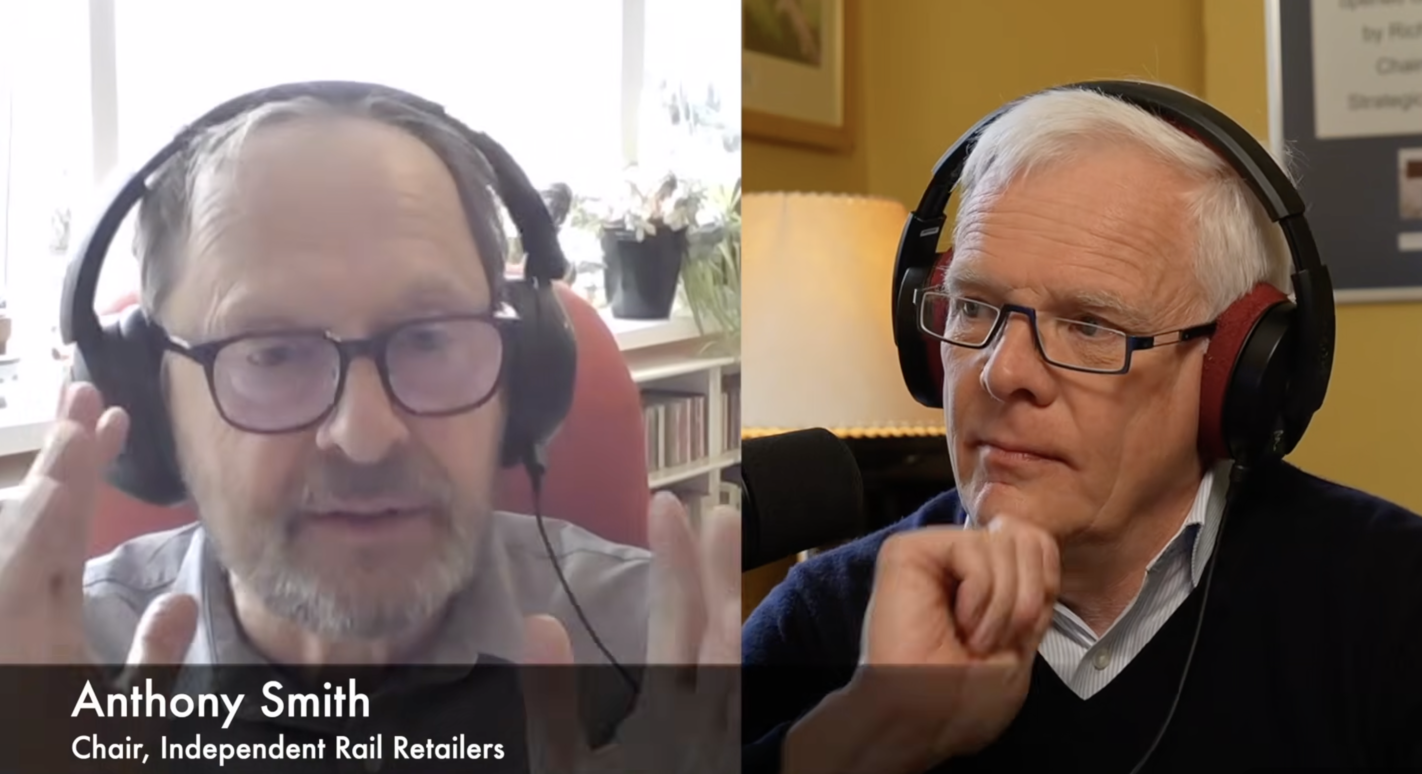
Anthony Smith, Chair at IRR, delivered a keynote on unlocking growth in the rail sector through innovation, customer-centric retail strategies, and stronger industry collaboration.

In his session, Anthony highlighted the pivotal role of independent rail retailers in shaping the future of the industry –  and how third party retailers can help reduce costs and boost revenue.

Catch up on the full session here.

Latest news

Keep up to date with all our latest