Great British Rail Sale Returns – save even more with independent rail retailers

Train Station London
January 6, 2026

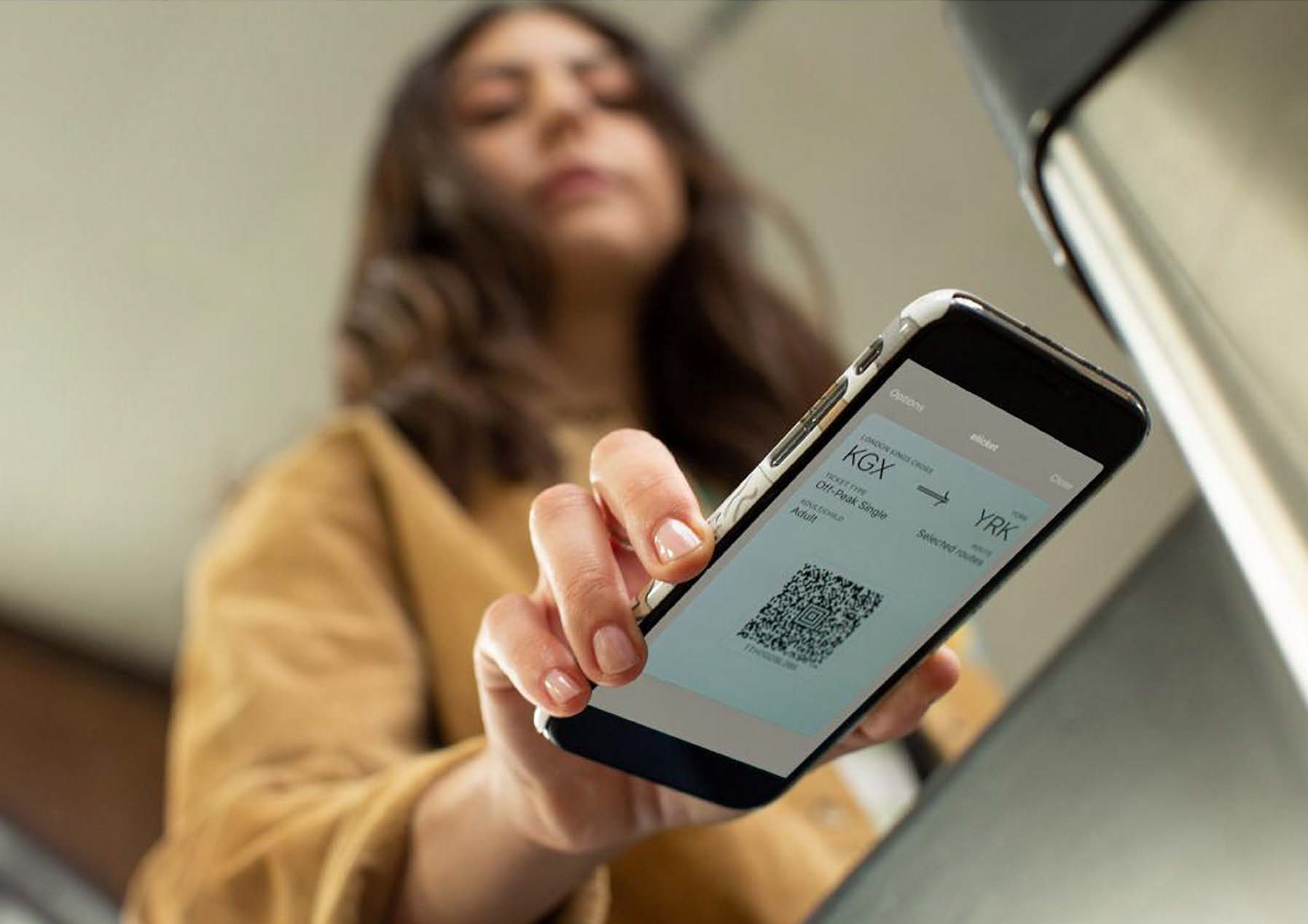
The Great British Rail Sale is back from 6 to 12 January 2026, giving passengers the chance to snap up discounted Advance and Off-Peak tickets across Britain. These fares can be used on journeys between 13 January and 25 March 2026, with many tickets offering savings of 50% or more. 

While the Rail Sale already delivers excellent value, booking through an independent rail retailer can unlock even greater savings. Every day, our members sell thousands of value-for-money tickets, using tools such as split-ticketing and advanced price comparisons to help passengers find the lowest overall fare and make the most of their travel budget. During the Rail Sale, these same tools could help passengers save even more. All passengers need to do is search and book with an independent rail retailer and see what savings they can find. 

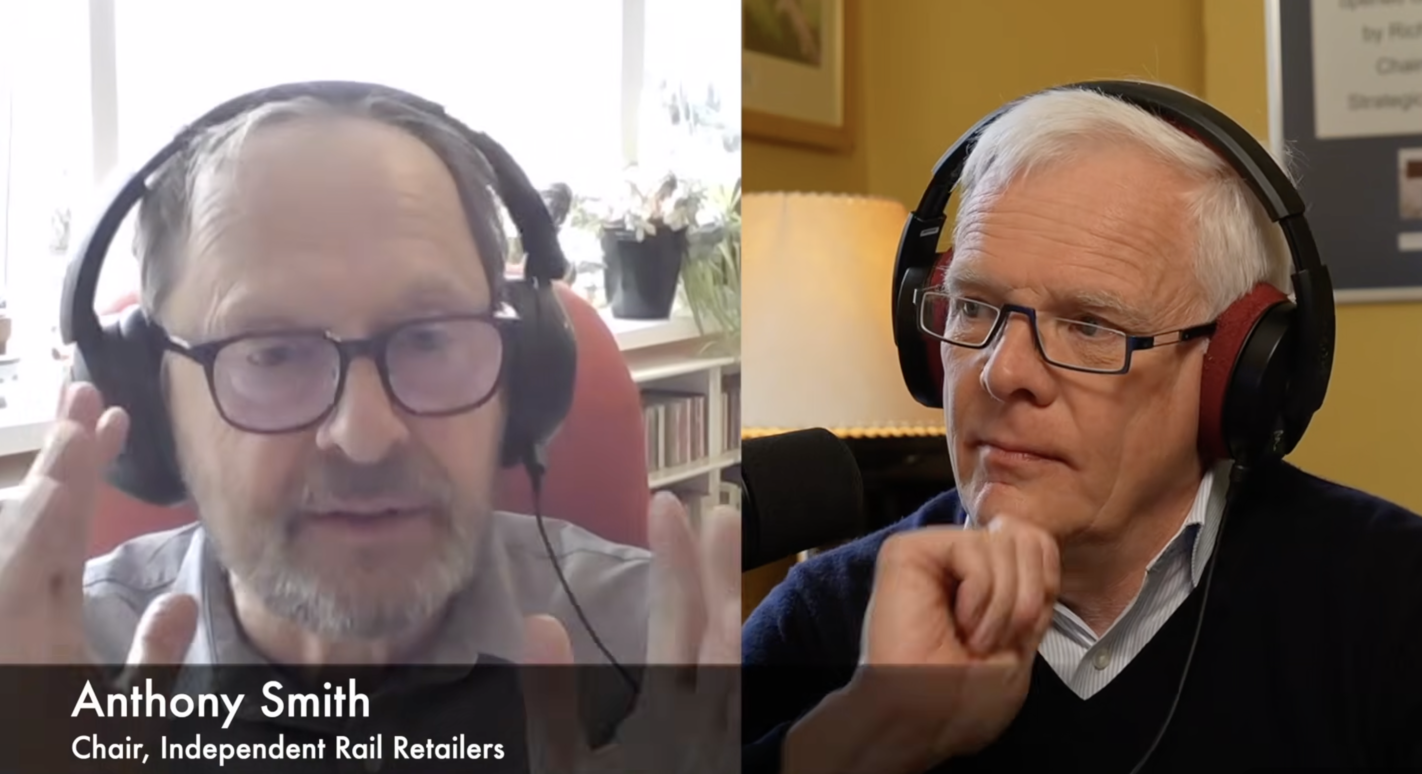
Anthony Smith, Chair of Independent Rail Retailers, said: 

The Rail Sale is back, giving passengers the perfect opportunity to bag a bargain and explore Britain for less.  

By booking with an independent rail retailer, passengers can save even more through tools like split-ticketing, all designed to help them get the very best deal: something you won’t find on a train operating company site.  Our members are dedicated to making rail travel affordable, convenient, and hassle-free, so why not check them out and see how much further your money can go?” 

Whether you’re planning a weekend with friends, or a long-anticipated countryside escape, now is the perfect time to book and secure your journey at its best price. 

For more information about Independent Rail Retailers and its members or to book your train ticket, visit: www.independentrailretailers.co.uk/who-we-are   

Latest news

Keep up to date with all our latest

Train Station London

Unlocking Growth: how rail reform can help retailers boost passenger numbers

December 17, 2025

“For passengers, what matters most is a better rail experience from day one: choice, value-for-money tickets, and easy-to-use booking systems. Over the past two decades, our members have led the way in innovation – from split ticketing to barcode tickets – making travel easier, more seamless and encouraging passengers to keep coming back to rail”

Read more from our Chair, Anthony Smith, in the latest article in Transport Times. 

Latest news

Keep up to date with all our latest

Train Station London

IRR Chair gives evidence at Transport Select Committee

December 10, 2025

Today, Anthony Smith, Chair of Independent Rail Retailers, gave evidence to the Transport Select Committee. The cross-party group of MPs examined how landmark reforms to the railways could lead to improvements for passengers, accessibility and a simpler ticketing system. 

In his session, Anthony stressed that passengers must remain at the heart of rail reform, with a fair, open retail market that protects choice, supports innovation, and ensures passengers can buy tickets with ease and confidence.

Anthony also highlighted the need for transparency in how GBR Retail operates, with clear, separate cost and revenue information. He also underlined that the Code of Practice must apply consistently to all retail participants, including GBR Retail, to give passengers confidence that everyone is playing by the same rules.

Catch up and watch the full session on Parliament TV.
Latest news

Keep up to date with all our latest

Train Station London

In the Spotlight: Joe Sikking, Director at Raileasy on ‘is rail travel really that easy?’

December 2, 2025

This month, we sat down with Joe Sikking, Director at Raileasy, to ask the big question: Is rail travel really that easy? 

From growing up inside the business to helping pioneer split ticketing, Joe has seen the industry evolve from every angle. In our conversation, he shares how Raileasy went from a small independent retailer to a major rail-tech innovator and rail retailer and why a level playing field and open data matter now more than ever.

He also gives us a glimpse into what needs to change, what the future of rail retail could look like, and the one thing he’d ask the Transport Secretary to prioritise. 


Can you tell us a bit about yourself and share a fun fact?   

My name is Joe Sikking; I’m one of the directors at Raileasy. I’ve basically grown up in the business. I officially joined in 2004, but I was “shoehorned” into helping during school holidays from around the age of 15. George Sikking, one of the founders, is my father, so it was good pocket money for me at the time.  

I’ve seen the company evolve from a small independent retailer into one of the UK’s leading rail-tech innovators. I like to joke that I know the business inside and out because for over 20 years, I’ve done a bit of everything, from customer service, marketing, to business development, amongst others. 

Fun fact: I used to be a singer/ shouter in a punk band from around 2013 to 2017. We weren’t exactly successful, but we played at pretty cool little venues in London – it was a bit of fun, really! 

For those who may not be familiar, who is Raileasy, and what services do you provide? Could you also share a bit about how it all started?   

Raileasy’s been around for quite a while now, but before we were Raileasy, we were called Ferries, Trains, Planes back in the mid-90s. The idea was to be a one-stop shop for all forms of travel. But in the early 2000s, rail took over.  

We started developing the Raileasy platform from around 2002/2003 and officially launched it in 2007 as the UK’s first independent rail retailer. In 2014, under our TrainSplit brand, we became the first site to launch split ticketing, which changed how people save money on rail travel. We followed that with mobile apps in 2017, and we like to think we helped make split ticketing mainstream, partly because it encouraged other retailers to adopt it too.  

Today, we’re not just a booking site. We provide a range of tech solutions across the industry. We offer API integrations, for example, with Real Time Trains, as well as white-label solutions, widgets, and B2B2C products that let partners offer rail booking directly to their customers. So, we’ve gone from a small independent retailer to a company shaping the tech behind how people buy train tickets.   

Our goal has always stayed the same: to make rail easier and cheaper for everyone!   

What aspects of Raileasy do you think give it an edge over competitors in the rail retail space?   

There’s a lot of good competition out there… But that keeps us on our toes!  

First, our core focus has always been helping people save money. Our split-ticketing algorithm is among the most advanced in the industry, and we’re constantly refining it to uncover every possible saving.    

Secondly, our customer service – we’re rated Excellent on Trustpilot, and we’re really proud of that. We worked really hard to earn that – we know rail travel can be stressful when things don’t go to plan, so having real, UK-based support from people who actually care makes a huge difference.  

And thirdly, our team is a real strength. We’re a young group, but with deep rail knowledge. For many of us, trains are more than work; they’re a hobby, and that expertise flows directly into how we design our website, apps, tech, and a smoother experience for customers.  

Finally, we’re not afraid to challenge industry norms. Since day one, we have pushed for better answers and better outcomes for customers. That mindset keeps us innovating and moving forward.  

Raileasy has a history of innovation, from split ticketing to new travel solutions. Could you tell us more about your latest offering, TrainSplit Business?   

So TrainSplit for Business really came about for two reasons.  

We noticed that a lot of people were already using TrainSplit for business travel, and at the same time, we were getting loads of messages from customers saying things like “We love the savings, but can we open an account?” or “Could you add a cost code to my receipt?”

So, we built a dedicated platform. It delivers the same split-ticketing savings that outperform many corporate booking tools, packaged with business-friendly features: cost-code management, colleague booking, team seat selection, emissions savings, and our popular “book now, pay later by invoice” option that cuts down all the expense claims.   

It only takes a few minutes to get started, and whether your team travels every day or just now and again, it’s designed to save money and make business travel less of a headache.  

As an independent rail retailer focused on putting passengers first, what is most important for delivering a great passenger experience, and how does Raileasy use technology and innovation in journey planning to make travel easier and more seamless?   

For us, passenger experience starts with value; passengers want fair prices, and that trust carries through the journey. But price alone isn’t enough. The whole passenger experience has to feel simple, from start to finish, and that means making our website and app simple, clean, and intuitive, removing unnecessary steps and using our rail knowledge to refine the process.   

When it comes to journey planning, this is where tech jumps in; we don’t just plan the fastest route, we show smarter options. For example, on the London to Manchester route, we include alternatives that may take a little longer but can cost half the price, which makes a real difference for travellers. Also, when things go wrong, our automatic refund tech helps people get their money back quickly without any hassle.  

But even with great tech, you still need real people. Having knowledgeable, caring staff on hand can turn a stressful situation into a much better one; that’s why passengers trust us. It’s that mix of smart technology and genuine human support that creates a truly good passenger experience.   

So, for us, a great passenger experience is the balance of three things: value, simplicity, and human support that you can trust.  

We’ve talked about how important passenger experience is. What changes or improvements would you like to see from rail reform to better support passengers? Are there any gaps where the reform could make travel easier for both customers and independent rail retailers?   

I know this is a hot topic at Raileasy and across the rail retail market, but it’s creating a genuine level playing field.   

Train operating companies – or when Great British Railways (GBR) Retail comes into place – shouldn’t be able to give themselves special treatment with exclusive fares or hidden promotions. Everyone needs equal access to fares and data, because that’s what sparks innovation. When retailers can compete fairly, passengers get smarter tools, more choice, and better deals.  

We’d also love to see reform that encourages more flexible, inspiring travel. Rail shouldn’t just be about getting from A to B. With the right data and real-time availability, we could help people discover new places, try different routes, and make rail feel like part of an adventure, not just transport.  

But for that to happen, independent retailers need a proper seat at the table here. We see how passengers actually behave, what works in the real world, and sometimes what doesn’t. Reform should bring us into discussions early, on standards, data, and user experience, not just loop us in after decisions are already made.  

Fares need to be digital by default and work properly across modes. Paper tickets and restrictions between operators are outdated. If rail’s going to be part of a modern, joined-up transport system, then tickets should work whether you’re on a train, a bus, or something else in between.   

How do you see GBR Retail affecting independent retailers like Raileasy, and how could GBR help ensure continued growth in the retail space?  

This is something we’re asked a lot by partners and clients. We think GBR will remove a lot of wasteful duplication across TOC websites, which is positive. It means less confusion for customers and cuts unnecessary public spending.  

We’ve always believed competition is healthy; it’s what drives innovation. Independent retailers are why things like split ticketing and better customer tools exist today. So, we’re not worried about GBR; if anything, we welcome the challenge.  

But for us, it’s imperative that when GBR Retail comes along that it operates on a level playing field. Independent retailers like us need fair access and fair terms. Government and gatekeepers must ensure that a level playing field through legislation is in place, then the retail market will continue to grow and deliver real benefits for passengers.  

If you could ask the Transport Secretary, Heidi Alexander, to take one action to improve outcomes for both independent retailers and passengers, what would it be?   

We’d ask her to prioritise the delivery of the Availability Distribution Service (ADS, also known as open data), the availability feed from RARS. We think it is the single most important step to unlocking better outcomes for both passengers and the retail market.  

With ADS in place, rail could finally offer the kind of experience people now expect from other transport and travel sectors. Things like weekly or calendar fare views, surfacing cheaper options automatically, and “anywhere” or “anytime” search. It’s the foundation that would let us move beyond static, point-to-point tickets to something far more dynamic and user-friendly.  

Our research with Jacobs shows that 61% of rail users are actively looking for new places to visit by train. With ADS and real-time availability, retailers could power that discovery and turn interest into bookings, positioning rail as a gateway to experiences, not just a way of getting from A to B – the impact could be huge.  

The research suggests it could generate up to £500 million a year in extra revenue. That’s a quarter of the current funding gap. Independent retailers have even offered to fund the development. If the Secretary of State has any doubts, she could just look at what happened when TfL opened up Tube data…it sparked an explosion of apps, innovation and passenger benefit. ADS is the same opportunity for rail.  

Looking ahead, what does the future of rail retail look like for you, and what would you like to see from the Bill?  

For me, the future of rail retail is about being where people already are, easy to find, easy to book, and part of everyday digital journeys. Open APIs and fair access are key, so independent retailers can keep driving innovation. There’s already a great mix of innovative retailers doing this well; what we don’t need is a GBR version unless it’s genuinely fair and open.  

We’re also moving towards a world of intelligent, “AI” search where people say things like “I want to go somewhere for the weekend,” and systems do the planning. Without ADS, rail won’t even appear in those results, which means we risk being invisible at the very moment people are deciding how to travel.  

Even if we end up with a single GBR Retail website, comparisons will still matter. People want to see different routes, prices and trade-offs just like they do for flights or insurance. A trusted independent comparison tool builds confidence and helps passengers choose what’s right for them.  

Finally, rail needs to embrace leisure and discovery: events, weekends away, day trips, not just commuting. If rail is affordable and visible at the moment people are planning, it can be the natural “how to get there” option. 

And finally, to answer the question everyone is clearly waiting for, is rail travel really that easy? 

Rail travel can be easy, give us open data, fair and equal access, and we’ll make it happen. 


A big thank you to Joe Sikking for sharing his insights on passenger experience, technology and innovation. Learn more about Raileasy or try TrainSplit for Business yourself to find smarter, money-saving journeys.  

Latest news

Keep up to date with all our latest

Train Station London

IRR welcomes Rail Fare Freeze

November 24, 2025

Independent Rail Retailers welcome the rail fare freeze and the positive impact it will have for passengers. Our members already help customers save money on their train tickets and support the industry in driving revenue growth by selling tickets through innovation, smarter journey planning, and genuine competition.

With fair access, open data, and a true level playing field, independent retailers can continue delivering the tools, savings, and customer experiences that passengers rely on and deserve, while also helping the industry encourage more people to choose rail travel.

Latest news

Keep up to date with all our latest

Train Station London

Save money this Christmas with Rail Retailers

November 18, 2025

As we head into one of the busiest travel seasons of the year, independent rail retailers continue to lead the way by providing value-for-money tickets for passengers.

Third-party retailers play a key role, acting as passenger champions by using technology, data, and innovation to offer genuine choice and a seamless travel experience.

Read what Simon Calder had to say in The Independent:

Latest news

Keep up to date with all our latest

Train Station London

“The door is now open for meaningful reform” – Independent Rail Retailers respond to the introduction of the Railways Bill  

November 5, 2025

Independent Rail Retailers (IRR) today responded to the introduction of the Railways Bill to Parliament, describing it as “opening the door to meaningful reform” with the potential to benefit passengers, taxpayers, and the wider industry.

Anthony Smith, Chair of Independent Rail Retailers, said:

“The Railways Bill opens the door to reform – and it’s up to all of us across the industry to work together with Government and GBR to shape the future railway this country needs.

We particularly welcome the Government clearly re-affirming that independent retailers will compete in a “fair and open market” and the explicit recognition of the significant value of independent retailers who “innovate and drive up standards for passengers”.

Independent rail retailers have already transformed how people experience rail travel – using technology, data and innovation to make journeys simpler, fairer, and more affordable. A successful outcome from this Bill will mean the creation of market conditions which ensure all retail players are treated genuinely fairly alongside Great British Railways, so that everyone stands to gain from the innovation at our fingertips.

We look forward to working closely with the Department for Transport and Great British Railways to ensure this Bill and its secondary legislation provide the long-term certainty needed for independent retailers to thrive – helping fill empty seats, grow passenger numbers, and support a more sustainable railway for the future.”

Learn more about IRR and our members here. 

Latest news

Keep up to date with all our latest

Train Station London

In the Spotlight – James Watson, Managing Director at OnTrack on understanding passenger needs

October 15, 2025

This month, we caught up with James Watson, Managing Director at OnTrack Retail, to discuss what it truly means to put passengers first. From designing accessible, user-friendly apps to understanding real passenger behaviour and embracing innovation, James shared how OnTrack is adapting to meet modern expectations and what the future holds for independent retailers as rail reform takes shape.


Can you tell us a bit about yourself, and a fun fact?

I’m James Watson, the Managing Director of OnTrack Retail. I joined in 2015, initially on a four-week contract, and I have been here ever since. Before that, I spent thirteen years at Tesco, starting with a weekend job in the bakery whilst I was at University and finishing as an IT Product Owner in Tesco’s European operations. 

Fun Fact: I have some very surprising hobbies, ask me about them when you see me! 

For those who may not be familiar, who is OnTrack, and what services do you provide 

OnTrack Retail designs, builds, and runs digital rail retail. We power websites, apps, payments, fraud prevention, and the tools customer service teams use every day, including refunds and Delay Repay. We work primarily with Rail Delivery Group, Govia Thameslink Railway, Southeastern, and TransPennine Express, and we also support independent retail through our own channel, TicketyBoo, so we see the market from both sides. Beyond the checkout, we provide analytics, content tools, and service tooling that help operators spot issues quickly and fix them faster. 

What do you feel sets OnTrack apart from others in the rail retail space?

In a field full of brilliant, inventive competitors, it is hard to stand out. That is good for passengers; it keeps all of us sharp. You win by fit, not by noise. 

We are a little smaller than many, which often makes us quicker and more bespoke. Our strength is shaping the product for each brand, so it reflects the needs of that brand’s customers and the way its operational teams work. 

Our size also lets us move sideways when it helps; we can explore different products or spin up new projects without layers of red tape or bureaucracy. Decisions can be made very quickly, sometimes a touch too quickly, and we learn fast. 

Since your launch in 2014, how has the OnTrack Retail platform developed and adapted to changing passenger needs?

Both the rail world and the tech world are massively different now compared to 2014. Back then, most tickets were bought on a website, then collected from a Ticket Vending Machine. Today, most purchases happen in apps, with digital fulfilment inside the same app. The range of tickets has grown, the rules have grown more complex, and that has increased the need for clearer user experience and smarter tools to help people find the ticket that truly fits their journey. 

Payments have changed just as much. In 2014, one card option at checkout was usually enough. Now, passengers expect a wide choice, digital wallets, open banking, instalments, corporate options, and saved details. That convenience converts better for our clients, and it reduces friction for customers. 

We have invested heavily in the platform over the past decade. The pace is so fast that sometimes you invest simply to keep pace with the market, and to stay level with strong competitors. That is a good news story for passengers, because it delivers faster, clearer journeys and better support when plans change. 

When creating products or services, what matters most to OnTrack in ensuring they truly meet passenger needs?

We start with real behaviour, not hunches. We watch how people actually search and buy, we listen to customer service calls, and we test with passengers who do not live and breathe rail. Three principles guide us: be clear on price and trade-offs, reduce effort at the most stressful moments, and respect people’s time and data. We measure changes against real outcomes, fewer support contacts, faster purchase, higher reuse, not just vanity metrics. Accessibility is non-negotiable; we build for screen readers, colour contrast, and motor access from the start. If a change does not move one of those needles, it probably does not ship. 

Looking ahead, what does the future of rail retail look like for independent retailers such as OnTrack?

Choice will matter more, not less. People will expect clearer recommendations, proactive help during disruption, and simple ways to join up rail with other modes, such as bus, micromobility, and parking. Independent retailers can thrive if two things hold: open access to fares and availability, and the freedom to compete on service and experience. With those in place, you will see faster innovation in areas like real-time occupancy hints, smarter after-sales that remove friction, and greener nudges at the point of choice. The winners will be the teams that pair trustworthy data with kind design, so good decisions feel effortless. 

What is next for OnTrack, and are there any upcoming innovations you see entering the rail retail market?

World domination.  

In truth, it is a very exciting time for OnTrack and for the industry as a whole. New opportunities are opening across the rail ecosystem, and we, like our competitors, are working hard to keep our products and services in peak condition so we are ready to win them. 

We have a few innovation projects up our sleeves, and we are genuinely excited about them. With a little luck, you will see them in an app or at a station near you very soon. 

With Great British Railways expected to retail tickets, how do you see this affecting independent rail retailers like OnTrack? Do you think they can coexist and compete on a fair basis?

Coexistence is possible, but only with clear, enforceable rules and real transparency. It is difficult to see how the system can be fair, equitable, and impartial if the body that sets and polices the rules also retail’s tickets in competition. That reality demands visible safeguards, independently verified, not assurances. 

Every retailer should have equal access to fares, availability, and change data, fees should be published with cost-based evidence, and artificial limits that punish normal search behaviour, such as restrictive look-to-book thresholds, should be removed. There must be a proper route to challenge decisions, with clear timelines for fixes rather than a black box. 

Independent retailers also need a seat at the decision-making tables, in governance forums, technical working groups, and change control, rather than being informed after the fact. With those principles in place, competition can focus on service, value, and pace, which is what passengers deserve. 

Given the sensitivities around Great British Railways also acting as a retailer, what safeguards do you think are essential to ensure a thriving retail market?

First, a retail neutrality duty with an independent audit, not self-assessment. Second, equal access to data and fares. Third, transparent fee setting with cost-based evidence, plus a commitment to review fees regularly. Fourth, proportionate accreditation so small teams can enter and improve the market without months of gatekeeping. Finally, remove punitive look-to-book constraints; retailers need to search widely to find the best fare for a customer, and that benefits passengers and operators alike. 

With the Government’s response on rail reform still pending, if you could ask the Department of Transport to take one action to improve outcomes for both independent retailers like OnTrack and passengers, what would it be?

Mandate and build an Availability Distribution Service, with equal terms for all accredited retailers, clear service levels, and independent oversight by the Office of Rail and Road. If everyone can see accurate fares and availability in real time, competition moves to where it should be: clearer choices, better support, and sharper prices for passengers. Pair that with a simple right to data portability for customer accounts and tickets, and you strengthen trust while encouraging genuine innovation. 


A big thank you to James Watson for sharing his thoughts on passenger needs, accessibility, and choice. Discover how OnTrack Retail is making rail travel smarter and simpler or book your next ticket through TicketyBoo.

Latest news

Keep up to date with all our latest

Train Station London

IRR Joins Industry Leaders at RIA’s Whole System Planning Event

October 8, 2025

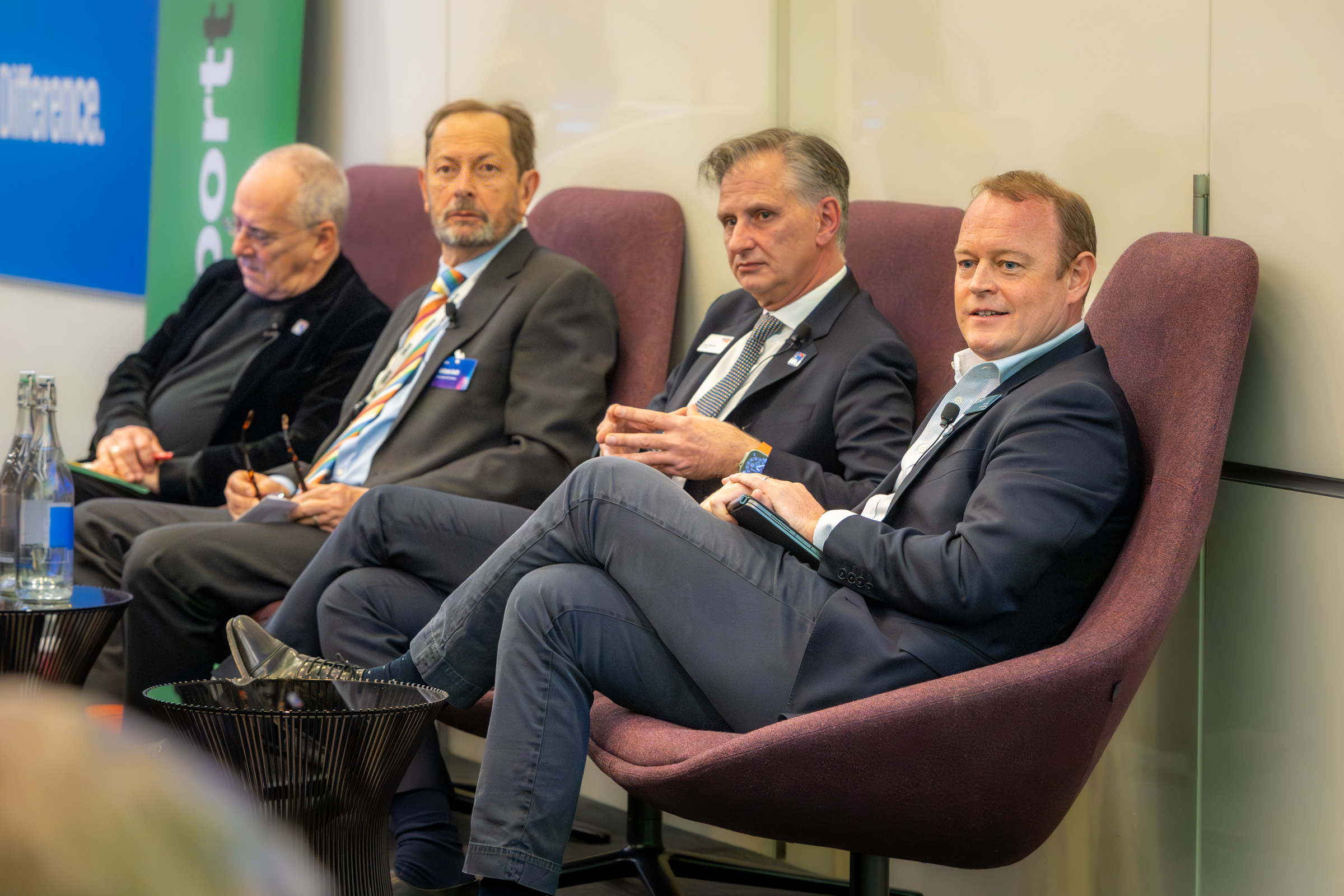
IRR had the pleasure of attending and sponsoring the Railway Industry Association’s (RIA) recent event on Whole System Planning. Hosted at Salesforce’s London offices, the event brought together industry leaders to explore how investment, innovation, and collaboration can shape the future of rail.

IRR Chair  Anthony Smith spoke about the key role of independent rail retailers and the importance of creating a level playing field — one that supports innovation, promotes choice, and delivers value-for-money tickets for passengers.

A special thank you to our guest speaker Richard Rowson, Consultant at F17 for sharing valuable insights on the power of data to attract more passengers and boost revenue, and to panellists Natasha Grice, Director at Transport Focus,  Kristoff van Leeuwen Sales, Head of Public Sector Business Development at Worldline and Keith White, Strategic Industry Lead (Public Sector Transport) at Salesforce for an engaging discussion on integration, customer experience, and value for money.

Latest news

Keep up to date with all our latest

Train Station London

More bums on seats – but how?  

October 2, 2025

By Anthony Smith, Chair

Secretary of State for Transport, Heidi Alexander was reported by the Financial Times as describing the renationalisation of trains as part of a rail “revolution” designed to cut public subsidies, improve services, and “put more bums on seats.” It’s a bold ambition but for passengers, the test will be much simpler: does rail reform make their journeys easier, offer value for money tickets and more reliable? 

Few experiences frustrate passengers more than a delayed train, a confusing ticket purchase, or feeling they’ve overpaid because of an opaque fare system. For many travellers, it’s not just the railways that needs fixing but a closer look at what can be done to improve the ticketing buying process.  

Independent rail retailers have stepped in to make sense of this complexity. From user-friendly apps to value for money tickets; they’re the retailers of train tickets and they do it well. With thousands of passengers purchasing tickets from them, they know what they’re doing and continue to invest and innovate in the systems they’ve created, helping the Government sell more tickets and “put more bums on seats”.  

Yet, their ability to innovate is limited by rules, data restrictions, and structures that haven’t kept pace with modern expectations. Ticketing rules are complex, data access is uneven, and others often hold the cards. When something goes wrong; a cancellation, a delay, or a confusing fare, passengers often direct frustration toward the retailer, even when the root cause lies with the rail system itself. This dynamic undermines trust and discourages innovation. 

Rail reform, therefore, isn’t just about fixing tracks and timetables, it’s about unlocking a retail ecosystem where independent retailers can deliver choice, transparency, and innovation for the benefit of passengers – which is why it’s more important than ever to get it right. Retailers are committed to delivering more great customer experiences, but they need Government support to remove barriers to enable a more successful and thriving rail retailing market. 

For passengers the measure of success is much simpler: can I get a value for money ticket? Can I buy and use a ticket easily and reliably? Can I get from A to B without confusion or being told I’ve got the wrong ticket? And when things go wrong, can I get compensated without jumping through hoops and hurdles?  

Independent rail retailers are key to answering “yes.” With fair access, open data, and supportive policies, they can deliver innovation that transforms the customer experience and restores trust in the railway. If reform is to encourage more people to choose trains – then unlocking the barriers to innovation and ensuring fair access to data will be key to achieving it. This means creating an environment where independent retailers, Government, Great British Railways, and operators work even more closely together to deliver the seamless, customer-first railway passengers expect and deserve. 

With the reform bill set to be introduced this autumn, it’s crucial that passenger choice, value for money, innovation remain a top priority, as that will be the key to “more bums on seats”.

Latest news

Keep up to date with all our latest

Train Station London