Andy Burnham has made cost of living the defining issue of his first weeks in Downing Street, and rail fares are firmly part of that agenda. Speaking to The Mirror, the Prime Minister said ticket prices are “too high, outrageously so in some instances,” and confirmed fares are now “in his sights.”
It’s a welcome signal, and the right instinct. But if the Government wants a fast, low-cost way to make fares feel fairer for passengers — without new subsidy or legislation — there’s a simpler answer already sitting within reach: empowering the third-party retailers who can bring those cheaper options to life.
Why third-party rail retailers matter
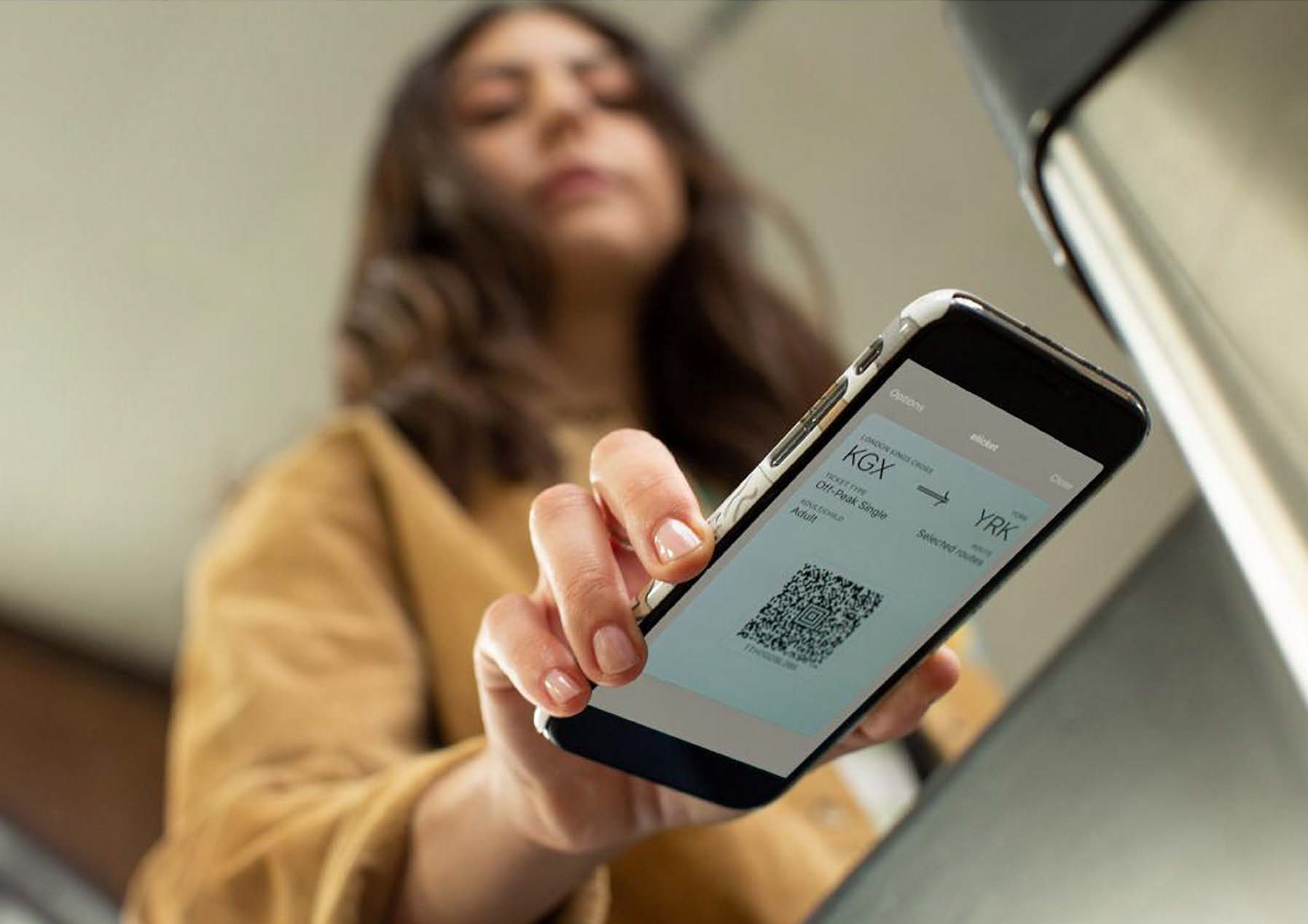
Third-party retailers play a key role in the industry, selling train tickets, driving technology and innovation, and getting more people to use trains. They meet passengers through the platforms, websites and apps people already use and trust, rather than requiring them to seek out an individual operator’s own site or app first. Aviation and coach travel have long relied on these intermediaries to widen their reach beyond direct-booking channels, tapping into audiences who wouldn’t otherwise think to book directly.
For rail, this matters enormously. Third-party retailers bring innovation in search and comparison that the core industry hasn’t kept pace with, and it’s that innovation that both drives healthy competition between retailers and keeps passengers choosing the train.
The problem isn’t just price, it’s what passengers are shown, and who’s showing it to them
Much of the frustration passengers feel about rail fares isn’t only about the cost of a ticket. It’s also about never seeing the full picture before they book, and today, that picture is using legacy technology that limits how many fares and journey options can be searched at once.
In practice, that means passengers see fewer options, fewer fare variations and fewer journey patterns than a modern travel search would offer, leaving rail lagging well behind aviation where third-party retailers routinely help consumers instantly compare hundreds of combinations across multiple operators.
Our research with Jacobs, published in our report, More Data, More Passengers, found that 23% of users abandon their search at the very first fare screen. That’s not just because rail is expensive, it’s because the current system often fails to surface a better option that suits the passenger. Third-party retailers exist precisely to solve this problem, but under the current system they’re operating with one hand tied behind their back.
Opening up the data
It’s tools like the Availability Distribution Service (ADS) that allow the systems passengers interact with to evolve alongside changing expectations. ADS would give retailers greater access to fare availability information, allowing them to offer more search options and journey combinations and put their innovation to work for passengers.
As the industry moves in a new direction, and as the sector looks at how to improve its trains, tracks and systems – the opportunity – is already there. That’s one of the real benefits of being a third-party rail retailer: the ability to see what actually helps a passenger, what makes them stay, and what’s needed to make this part of the journey-planning experience better than it was before, and better for the future.
This isn’t just about data; it’s about backing the retailers who have already shown what they can do with it. Independent retailers have consistently driven innovation the core industry hasn’t kept pace with, brought new passengers to rail who might otherwise have chosen another mode of transport altogether, and given passengers genuine choice in how and where they book.
Making it happen doesn’t mean waiting for the Railways Bill
Unlike the bigger structural questions still working their way through Parliament, opening up ADS doesn’t require new primary legislation. It can be delivered alongside the wider reform process, not after it, giving retailers the data access they need to put their innovation to work sooner rather than later.
There’s a taxpayer benefit too: shifting more search activity away from the central legacy system reduces processing and bandwidth costs, potentially freeing up public funding that could be redirected elsewhere in the network.
If the Prime Minister wants passengers to feel the railway is genuinely working and more affordable, opening up ADS and empowering the third-party retailers who can bring those savings to life could be one of the quickest ways to make that real.